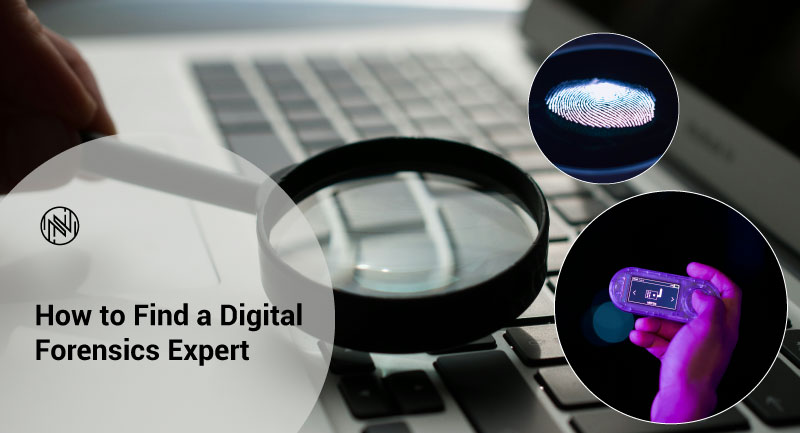
How to Find a Digital Forensics Expert
To find a digital forensics specialist, explore specialized sites like SEAK or Upwork, reach out to professional associations, connect with cybersecurity firms, and ask local attorneys for referrals. Look for credentials such as CHFI or CCFE, and verify the candidate’s experience in legal proceedings and data recovery. Make sure they have relevant industry expertise, and screen candidates by reviewing their resumes, conducting in-depth interviews, assessing their soft skills, and checking references and testimonials from previous work.
The growing use of digital technology has resulted in more cybersecurity breaches, data loss, and litigation involving digital records. As a result, company executives, venture capitalists, founders of start-up companies, and small and medium-sized enterprises face the challenge of selecting the right digital forensics professional. This task is critical and can help them avoid detrimental and costly legal issues. Protecting the organization is the priority, and identifying digital forensics experts to investigate breaches of data, recover deleted data, and provide evidence for legal proceedings is essential.
If you’re wondering how to find a digital forensics expert or need to hire a digital forensics expert for your organization, this comprehensive guide will walk you through the entire process.
This step-by-step guide will help you identify and evaluate digital forensic consultants and services that match your needs.
Specialist in Digital Forensics
A computer forensics specialist, also known as a cyber forensics specialist or digital evidence expert, recovers, analyzes, and presents digital evidence from computers and other devices, such as mobile devices, networks, and the cloud. Digital forensics is an interdisciplinary field; experts in digital forensics operate in incident response, legal, and data recovery, as well as analysis of cybercrime. A digital forensics investigator possesses technical and investigative skills, helping to provide clarity on digital incidents.
Investigations are often divided into the following technical aspects: data acquisition, analysis, and mobile device forensics. An investigator often has to deal with digital evidence. Digital evidence must be handled with care in order to maintain the chain of custody. This is especially important when evidence is to be used in legal proceedings.
Essential Qualifications
Hiring a digital forensics specialist with certain qualifications is an important factor that indicates the digital forensics expert is reliable, competent, and can be trusted with complex, time-consuming investigations.
Industry Certifications
Look for proof of industry certifications. Obtaining industry certifications takes time, effort, and extensive training to gain the necessary knowledge and testing to become certified. Some of these certifications include:
- CHFI (Computer Hacking Forensic Investigator): Demonstrates the expert’s ability to identify hacking incidents and collect relevant evidence.
- CCFE (Certified Computer Forensic Examiner): Confirms the expert’s skill in conducting thorough computer forensic examinations.
- EnCE (EnCase Certified Examiner): Certifies the expert’s proficiency with EnCase forensic software.
- GCFA (GIAC Certified Forensic Analyst): Validates the expert’s ability to perform and analyze complex digital forensic activities.
Proven Experience in Legal Cases
Proven experience testifying in court associated with the recovery of deleted and encrypted data and the proper handling of digital evidence is necessary. The expert in question must have experience testifying in court and collaborating with attorneys. Out of the instances of data evidence you have, look for the frame of the case the expert submitted. It can be associated with digital evidence theft, employee data misconduct, data breaches, cyber- and crime investigations.
Industry-Specific Expertise
Look for someone with experience and knowledge in your industry, and the associated value of the technology and data. A case in point is mobile forensics, which is of paramount value and importance in a mobile information company. The same applies to cloud forensics for companies that have adopted a cloud solution and architecture. If your concern is an inner breach or spying without a ticket, the value of network forensics is primordial.
Table 1: Essential Digital Forensics Certifications Comparison
| Certification | Issuing Organization | Focus Area | Best For |
| CHFI | EC-Council | Cyber attack investigation | Incident response teams |
| CCFE | IACIS | Computer forensics procedures | Law enforcement professionals |
| GCFA | GIAC | Advanced forensic analysis | Enterprise security teams |
| EnCE | OpenText | EnCase software proficiency | Digital forensics labs |
How to Find a Digital Forensics Expert: Best Resources and Platforms
Finding qualified experts is easier when you know where to look. There are many opportunities to connect with digital forensics professionals.
Digital Forensics Expert Witness Directories and Specialized Platforms
One of the most notable examples is SEAK, where you can find digital forensics, cybersecurity, and technology experts. You can search by area of expertise, location, and previous case experience. Another valuable resource is Nexus Expert Research, which connects you with a range of tech experts for your specific needs.
Digital Forensics Freelance and Professional Networks
Upwork and Fiverr are two major freelancing platforms, but because these platforms are less regulated, you should use them with caution. You can also find freelance digital forensics consultants through LinkedIn groups focused on digital forensics.
Cybersecurity and Digital Forensics Companies
Cybersecurity firms like Group-IB offer direct access to specialized teams, with consultants who focus on various areas of digital forensics. This ensures you get expertise across multiple specialties.
Legal and Professional Referrals
You can also find forensic professionals through local District Attorney’s Offices, Defense Attorney’s Offices, and law enforcement agencies, as they frequently collaborate with experts. Industry associations and professional conferences are also excellent places to make valuable connections.
How to Vet Candidates: Things to Check & Why
After finding some prospective candidates, establishing a comprehensive and organized vetting process for each will serve to ensure that you pick the most qualified professionals to suit your case.
Review Educational Background and Credentials
Look into each candidate’s education, relevant experience, and their track record handling cases similar to yours. Review any previous testimonies and publications. Be sure to verify certifications, especially for digital evidence professionals, and confirm their ongoing training and certification renewals.
Conduct Detailed Case-Relevant Interviews
Clearly explain the details of your case to each expert, and ask targeted questions about your case documents and evidence. Find out which forensic software they have experience with, and assess whether they have the expertise to provide the level of analysis your situation requires.
Evaluating Communication and Testifying Skills
Experts need to handle intricate technical issues and simplify them to the extent that they can be understood, especially if they are to testify in court. Ask for previous expert witness reports or testimony transcripts. It is essential to relay technical information to non-technical people, such as judges, juries, and business leaders.
Reviewing References and Prior Testimonies
Request testimonials and try to obtain transcripts from previous testimony the expert has given. These insights help you evaluate the expert’s reliability, thoroughness, and professionalism. Also, check how many times they have testified in court and their success rate with similar technical issues.
Table 2: Digital Forensics Expert Vetting Checklist
| Vetting Criteria | What to Evaluate |
| Certifications | Verify CHFI, CCFE, EnCE, GCFA, or equivalent credentials with issuing organizations |
| Case Experience | Review portfolio of similar cases, industries served, and types of digital evidence handled |
| Technical Skills | Assess knowledge of forensic tools, methodologies, operating systems, and industry-specific technologies |
| Communication | Evaluate ability to explain technical concepts clearly, previous testimony experience, and report writing samples |
| References | Contact previous clients, review testimony transcripts, and verify professional reputation |
| Availability | Confirm they can meet your timeline requirements and have capacity for your case scope |
Considerations by Type of Business
The size and the structure of the business influence what type of digital forensics expert fits your needs the best.
Small businesses and startups usually work best with independent consultants or specialized firms that provide digital forensics who can be engaged in a modular fashion. These consultants offer tailored expertise without long-term obligations. Medium-sized businesses may look for retainer contracts with forensics firms for quick resolution assistance if and when a crisis occurs. Large companies and venture capital firms usually have many relationships with different professionals in forensics to have full coverage of diverse areas of investigation.
When making your final choice, look beyond technical qualifications. The best cyber forensics professionals show genuine interest in understanding your unique challenges, engage with you about your needs, and are transparent about what they can and cannot do.
Pay attention to how practitioners describe their methods and processes. Reliable professionals emphasize attention to detail and methodical procedures, rather than making sweeping promises or guarantees. Be cautious of anyone who guarantees results, as ethical investigations deal with uncertainty and unknowns.
Finally, consider the professional’s responsiveness and availability. Digital forensics often involves tight deadlines, especially during active breaches or looming litigation. Choose someone who can meet your deadlines and communicates clearly throughout the process.
Conclusion
When you’re ready to hire a digital forensics expert, it’s important to consider their certificates, experience, and communication skills. When you take the time to search niche sites, prepare in-depth interviews, and carry out credential and reference checks, you help your organization pick a candidate who meets the needs of the forensics search. Whether looking for a digital forensic investigator for incident responses, a cyber forensics specialist for breach investigations, a digital evidence expert for litigation support, or a computer forensics expert for court, following these guidelines will help you to serve your organization’s best interests.
The most qualified forensic digital services will always turn out to be the most cost-effective because of the thoroughness of their work, the defensibility of their evidence, and the proven track record of their testimonies. Invest time in the vetting process, and you will gain the right people to help your organization tackle digital issues for the long haul.
Looking for a Digital Forensics Expert? Nexus Expert Research provides access to a tailored digital forensics professionals network who can defend your business. We link you to professionals who fulfill your needs and provide expert testimony, as well as act during crucial moments. Reach out to us now so we can help you with your forensics needs and offer expert recommendations based on your industry and your case.